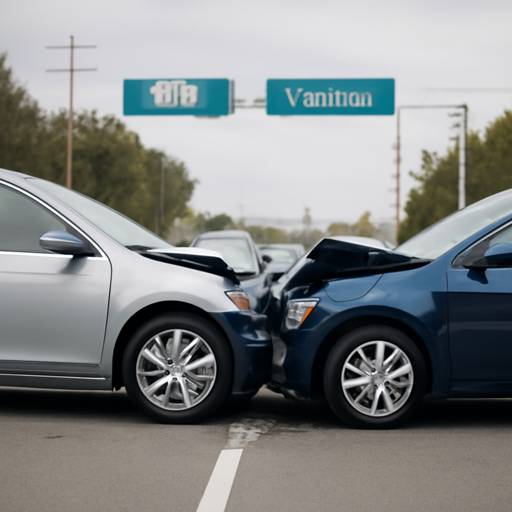
A crash in Woodland Hills can upend your life in seconds—medical appointments, missed work, insurance calls, and car repairs all at once. When the collision happens on the 101, Topanga Canyon Boulevard, or Ventura Boulevard, you also face unique local issues like heavy commuter traffic and complex liability. A seasoned Woodland Hills car accident attorney helps you turn chaos into a clear plan: protect your health, preserve evidence, and pursue the full value of your claim with focused, aggressive advocacy that treats you like a person—not a file.
What to Do After a Crash in Woodland Hills (From Scene to Settlement)
Safety comes first. If you can, move your vehicle out of live lanes—especially on the Ventura Freeway where secondary impacts are common—and call 911. Even if injuries seem minor, request a police response. In Woodland Hills, collisions may be handled by the LAPD’s Topanga Division or CHP depending on jurisdiction. A prompt report anchors the facts, documents visible damage, and notes admissions or witness statements that later become crucial.
Exchange information and photograph everything: vehicle positions, skid marks, traffic signals, debris fields, and close-ups of damage. Capture the broader scene too, including business facades and street signs (Ventura Blvd, Topanga Canyon Blvd, Winnetka Ave, De Soto Ave). If there were cameras nearby—gas stations, apartment entrances, or dashcams—note them. Video evidence in high-traffic areas of Warner Center or the 101 ramps can make or break liability.
Seek medical care immediately. Adrenaline often masks injury, and a documented medical timeline matters to insurers and juries. Keep all records: ER notes, urgent care charts, imaging, prescriptions, and referrals. Follow through with treatment; gaps are often weaponized by insurers to devalue your case. If injuries, death, or property damage likely exceed $1,000, California law requires you to file a DMV SR-1 within 10 days—your lawyer can help ensure accuracy.
Avoid recorded statements to the at-fault insurer before you have counsel. Describe facts to your own carrier as your policy requires, but don’t guess or speculate. Preserve your car before repairs if liability is disputed—your vehicle is evidence. If the other driver is uninsured, underinsured, or flees the scene, you may still recover through UM/UIM coverage and MedPay. California follows pure comparative negligence, so even if you’re partially at fault (think sudden braking on Ventura or lane changes near the Topanga interchange), you can still pursue compensation reduced by your share of responsibility.
Know the deadlines. In most cases, you have two years from the injury to file a lawsuit, and generally three years for property damage; shorter deadlines (often six months) can apply when a public entity is involved. A proactive, no-nonsense approach—getting treatment, securing evidence, and engaging a focused advocate—sets the tone for a strong claim from day one.
How a Local Attorney Builds and Values Your Case
A local, no-frills Woodland Hills car accident attorney starts with liability: who caused the crash, and how can it be proven persuasively? Expect a thorough investigation—scene inspection, vehicle downloads, traffic timing analysis on known hot spots (e.g., left-turns on Ventura Blvd, merges onto the 101), and subpoenas for phone records in suspected texting cases. When necessary, counsel coordinates accident reconstruction experts to model speeds, angles, and forces using crush patterns and roadway evidence.
Your medical story drives damages. Beyond ER and primary care notes, a strong case includes specialist evaluations, physical therapy progress, MRI findings, injections/surgery recommendations, and pain journals. If injuries alter your work capacity—whether a film crew grip, a nurse at West Hills, or a Warner Center professional—vocational experts and economists quantify wage loss and diminished earning potential. For significant injuries, a life-care planner estimates future costs: surgeries, rehab, medications, mobility equipment, and attendant care. These details support both economic and non-economic damages, including pain, suffering, and loss of enjoyment of life.
A strategic demand package ties everything together: liability proof, medical chronology, billing summaries, cost projections, and day-in-the-life impacts. Insurers often push low offers initially—especially on rear-ends or “soft tissue” claims—betting you’ll settle quickly. An attorney who keeps overhead low and attention high can invest the time needed to negotiate assertively, challenge biased IME opinions, and prepare for trial if the carrier won’t be reasonable. Local familiarity with Los Angeles Superior Court venues (such as Van Nuys or Chatsworth) helps tailor litigation strategy, jury selection themes, and case valuation to real-world outcomes in the San Fernando Valley.
Finally, your lawyer manages liens and reimbursements—from health insurance to MedPay to hospital liens—so your net recovery is maximized. A client-first approach means clear communication, transparent contingency fees, and advice you can act on. If you want that level of focus, a woodland hills car accident attorney with a personalized, aggressive style can be the difference between a quick lowball check and a settlement that truly covers your losses.
Common Woodland Hills Crash Scenarios and Real-World Results
Rear-end on the 101 near Topanga Canyon: Stop-and-go traffic on the 101 creates classic chain reactions. Even “minor” impacts can cause significant cervical injury. In one representative scenario, a driver is rear-ended while slowing for congestion near the Winnetka exit. The at-fault carrier argues minimal damage equals minimal injury. A strong legal response includes biomechanical analysis correlating vehicle delta-V with soft tissue trauma, therapist notes charting range-of-motion deficits, and a treating physician’s narrative linking symptoms to the collision. Result: a settlement far exceeding initial offers because the evidence re-framed the “low-impact” narrative.
Left-turn collision on Ventura Blvd: Left turns across multiple lanes—especially at dusk—are common traps. Consider a shopper turning left near De Soto, misjudging an oncoming car’s speed. Witness statements conflict. A local attorney canvasses businesses for camera footage, cross-references signal-timing data, and uses photogrammetry to analyze sightlines obstructed by parked SUVs. The demand package demonstrates the turning driver’s duty to yield, overcoming “he was speeding” defenses. Damages account for shoulder impingement treated by injections and potential arthroscopy; the policy pays out near limits.
Rideshare side-swipe by Topanga & Ventura: With heavy rideshare traffic around Warner Center restaurants, fault can be murky—personal policy, rideshare liability, and contingent coverage may all be in play depending on whether the driver had the app on, accepted a ride, or had a passenger. The attorney traces coverage tiers, preserves app metadata through legal holds, and argues vicarious liability. The injured passenger’s concussion diagnosis, documented by neurocognitive testing, drives non-economic damages. Strategic negotiation pushes the case toward a combined policy resolution.
Hit-and-run on Mulholland Drive: A nighttime sideswipe sends a motorist into a guardrail; the other driver flees. A savvy approach taps UM coverage, leverages EDR (event data recorder) data in the client’s car to show impact severity, and uses geofencing requests for nearby camera captures. Even without identifying the at-fault driver, the client recovers through their own policy—proof that prompt counsel benefits victims when liability is elusive.
Pedestrian in a Warner Center crosswalk: A driver rolling a right-on-red clips a pedestrian. Defense claims the pedestrian “darted out.” Scene photos reveal a faded stop line and obstructed view from an overgrown shrub; municipal records show prior complaints. The attorney’s notice to the entity triggers shorter deadlines, and the case proceeds with claims against the driver and, where appropriate, a dangerous condition theory. Medical evidence centers on tibial plateau fracture and post-traumatic arthritis risk, supporting future care costs. The recovery reflects both present medical bills and long-term mobility impacts.
Across these scenarios, the common threads are decisive action, detailed evidence, and an advocate who treats your case like it matters—because it does. With a Woodland Hills car accident attorney who prioritizes personal attention over flashy marketing, your claim can be built methodically—from scene preservation to expert-backed damages—so insurers take your case, and your recovery, seriously.

Lagos architect drafted into Dubai’s 3-D-printed-villa scene. Gabriel covers parametric design, desert gardening, and Afrobeat production tips. He hosts rooftop chess tournaments and records field notes on an analog tape deck for nostalgia.